

Introduction: the day your name goes to work for someone else
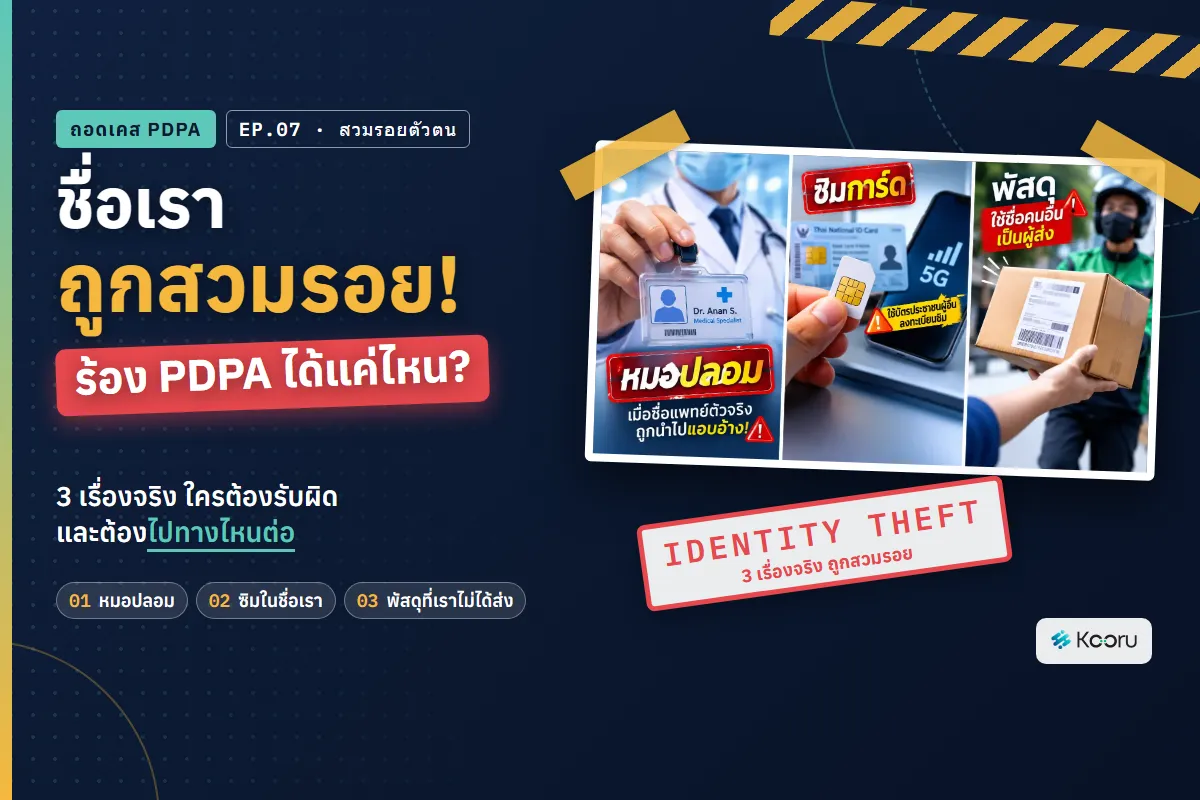
A doctor found that her name, and an image of her medical licence, were being used by someone else to claim to be a licensed doctor “experienced in aesthetics and anti-ageing”. Patients and the public were misled. The damage to reputation was hers.
She filed a complaint under the PDPA.
The answer was that the complaint was not accepted.
Not because she suffered no harm, but because the facts could not confirm that the person she complained about was a “data controller” in breach of the Act. That one sentence is the key to this whole episode.
The other two cases start from the same feeling: “This isn’t me, but the system says it is.” A woman checked and found a mobile number she had never opened registered to her ID card number. A man was told by a courier’s app that he was the “sender” of a parcel delivered to himself, which he never sent.
The three cases end differently, and the difference answers the question we hear most this year: if someone uses my identity, can the PDPA help, or do I need another route?
If your business takes ID cards, records senders’ names or opens accounts every day, the question to ask is: is your system helping impersonators?
This is Episode 7, the final episode of our “Real PDPA Cases” series. Earlier episodes: Episode 1, a company posted that an employee had been dismissed; Episode 2, 5 real CCTV cases; Episode 3, 5 real HR cases; Episode 4, posts chasing tenants’ debts; Episode 5, social media drama the PDPA cannot fix; and Episode 6, pre-ticked consent and erasure requests.
How far can the PDPA help when someone uses your identity?
The PDPA helps fully when a business or agency that controls your data is involved, such as a mobile operator holding registration records or a courier recording a sender’s name. It helps little when the impersonator is a private individual. In that situation, the main tools are usually the Criminal Code, the Computer Crime Act or professional licensing laws.
The reason is structural. Most duties in the PDPA fall on the “data controller”, the person or organisation that decides why and how personal data is collected, used or disclosed (Section 6). Controllers must keep data accurate (Section 35), keep it secure and notify breaches (Section 37), and respond to data subjects’ requests.
A person who secretly borrows your name is usually not running the kind of systematic processing the PDPA was built to regulate, and if they act purely for personal purposes, Section 4(1) excludes them. See Episode 5 on social media drama and AiPDPA’s 8 PDPC answers to the police on posting about others.
| Case | Respondent | Data used | What the complainant wanted | Core issue |
|---|---|---|---|---|
| 1 | A private individual | Name and medical licence image | Treat it as a data breach | Is the respondent a data controller? |
| 2 | A mobile operator | ID card number | Cancel a number that was not hers | Accuracy of registration data |
| 3 | A courier company | Name, address and phone number | Investigate use of his data without consent | A system that accepts sender names unverified |
Before you read on: these stories summarise published decisions of Expert Committee Panel 2 of the Office of the Personal Data Protection Committee (PDPC Office). We include only facts stated in the documents, add nothing they do not say, and name no person or organisation. Commentary and recommendations are the author’s own.
Case 1: A real doctor’s name and licence were used by an impersonator. Why was the PDPA complaint not accepted?
Because the facts in the complaint could not confirm that the respondent was a data controller in breach of the PDPA, the Committee could not rule on it and declined the complaint. The doctor’s harm was real, but the PDPA was not the door for this kind of claim.
The complainant, a licensed doctor, said:
- someone took her name and an image of her medical licence, obtained from the Medical Council’s website;
- that person claimed to be the licensed doctor holding that licence number, with experience in aesthetics and anti-ageing;
- patients and the public were misled, and she suffered damage and loss of reputation;
- she considered it a personal data breach that had to be notified to the PDPC Office.
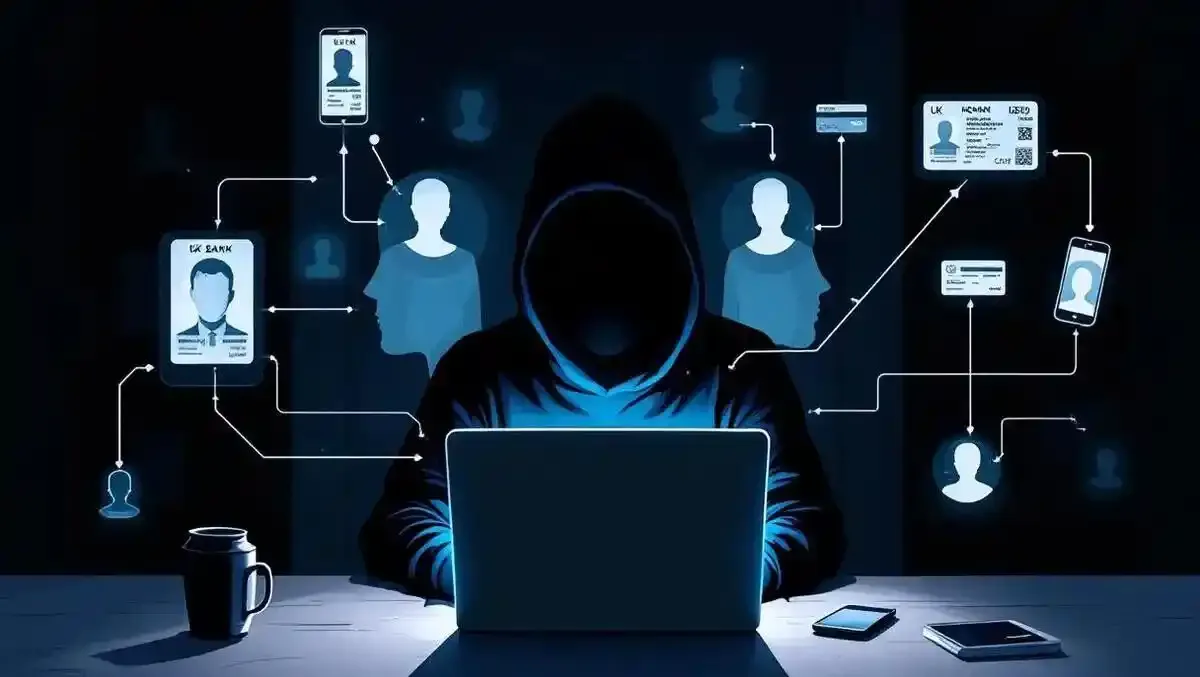
Expert Committee Panel 2 held that the facts and information in the complaint could not confirm that the respondent was a data controller acting in breach of the personal data protection law. It therefore could not rule on the matter and declined the complaint under clause 8(2) of the PDPC Regulation on complaints B.E. 2565 (Decision No. 18/2566, 30 August 2023).
Author’s view: two common assumptions need correcting.
First, breach notification under Section 37(4) is the duty of a controller whose own systems failed: a leak, unauthorised access or loss. Here, the data came from a website that exists so the public can verify doctors’ licences. That is legitimate publication, not a leaking system. The wrong lies with the person who misused the data. See what to do in the first 72 hours of a breach.
Second, publicly available data is still personal data, but that does not make the PDPA the best tool every time. When the wrongdoer is someone pretending to be you, other laws usually fit better.
| Route | When to use it | Relevant law |
|---|---|---|
| Police report | Someone paid money believing the impersonator was the real doctor | Criminal Code s.342, fraud by impersonating another person: up to 5 years, a fine up to THB 100,000, or both |
| Online offence report | False information or edited images damaging reputation were posted | Computer Crime Act B.E. 2550 (as amended 2017) ss.14 and 16 |
| Medical Council | The impersonator actually practised medicine without a licence | Medical Profession Act B.E. 2525 s.26; penalty under s.43: up to 3 years, a fine up to THB 30,000, or both |
| Civil claim | Reputation or income was harmed | Civil and Commercial Code, wrongful acts |
| Platform report | The impersonating page or account is still live | Platform impersonation policies |
The pattern is growing: trusted names and faces used to sell. TechLawNow (Thai) has covered fake investment sites using executives’ photos and how to check deepfake investment ads. Doctors, lawyers and accountants listed in public registers should search for their own names on social media regularly, because the first person to discover an impersonation is often a client who has already been deceived.
Case 2: She found a number she never opened registered to her ID card. What should she do?
Ask the operator holding that number to cancel it. The operator is the data controller and must keep registration data accurate. Here, the operator cancelled the number, the complainant withdrew, and the Committee closed the matter.
The complainant entered her ID card number in the operator’s app to see which numbers were registered to her. She found 3 numbers: 2 were hers, and 1 was not. She had never opened or used it. She wanted only one thing: cancel that number.
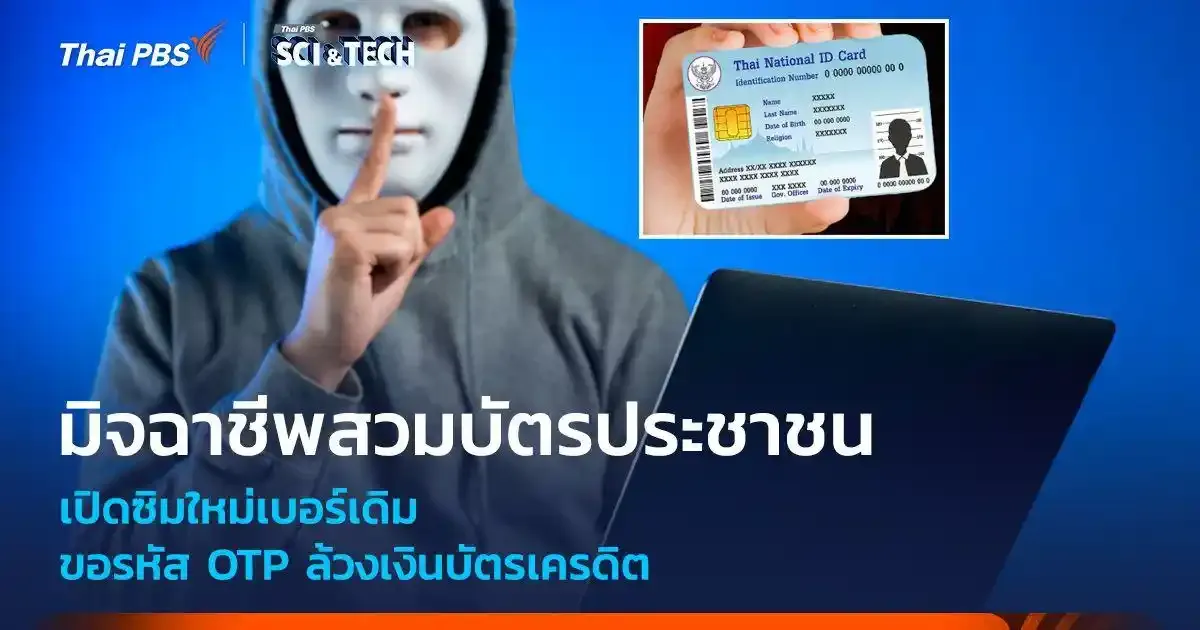
The Committee found that the operator had already cancelled the number, and that the complainant withdrew her complaint on 13 July 2023. It closed the matter (Decision No. 19/2566, 30 August 2023).
Author’s view: this is the PDPA at its best, because there is a clear data controller. Under Section 35, the operator must keep personal data accurate, up to date, complete and not misleading, and under Section 36 the data subject may ask for it to be corrected.
The bigger question is where the third number came from. The document does not say. It may have been a registration error or someone using her card number. Either way, a phone number existed that the system believed was hers. If that number were used for scam calls or to receive OTPs for online accounts, the card holder would be traced first. TechLawNow (Thai) reported a deepfake SIM swap that drained THB 162 million in crypto and why scammers know so much about us.
What anyone in Thailand can do today:
- List every number registered to your ID using the NBTC’s free “3 Chan” app (check, report, lock) or 3steps.nbtc.go.th, which can also lock your ID so no new SIM can be opened with it.
- If a number is not yours, ask the operator to cancel it, get a reference number and keep the evidence.
- If the operator does not act, escalate to the NBTC or file a PDPA complaint, since the operator is the controller.
- Note that
*179*<ID number>#only checks whether the SIM you are calling from is registered to that ID. It does not list all your numbers.
Since 16 January 2024, the NBTC has required anyone holding 6 or more numbers with one operator to verify their identity or face suspension. That catches bulk “ghost SIMs”, but not a single stray number like this one, so checking yourself still matters. Businesses handling correction or erasure requests should see how to answer data subject requests on time and the data subject requests guide.
Case 3: A courier app said he sent a parcel he never sent. Who is responsible?
The person who used his name is the wrongdoer, but the courier controls the system that recorded that name, so the courier is the party a data subject can complain about. Here, the parties settled, the complainant withdrew and the Committee closed the matter.
Someone used the complainant’s first name, surname, address and phone number to send a parcel through a courier. The parcel was addressed to the complainant himself. He then received a notification in the courier’s app saying he was the sender, although he had done nothing. He asked for an investigation of the use of his personal data without consent.
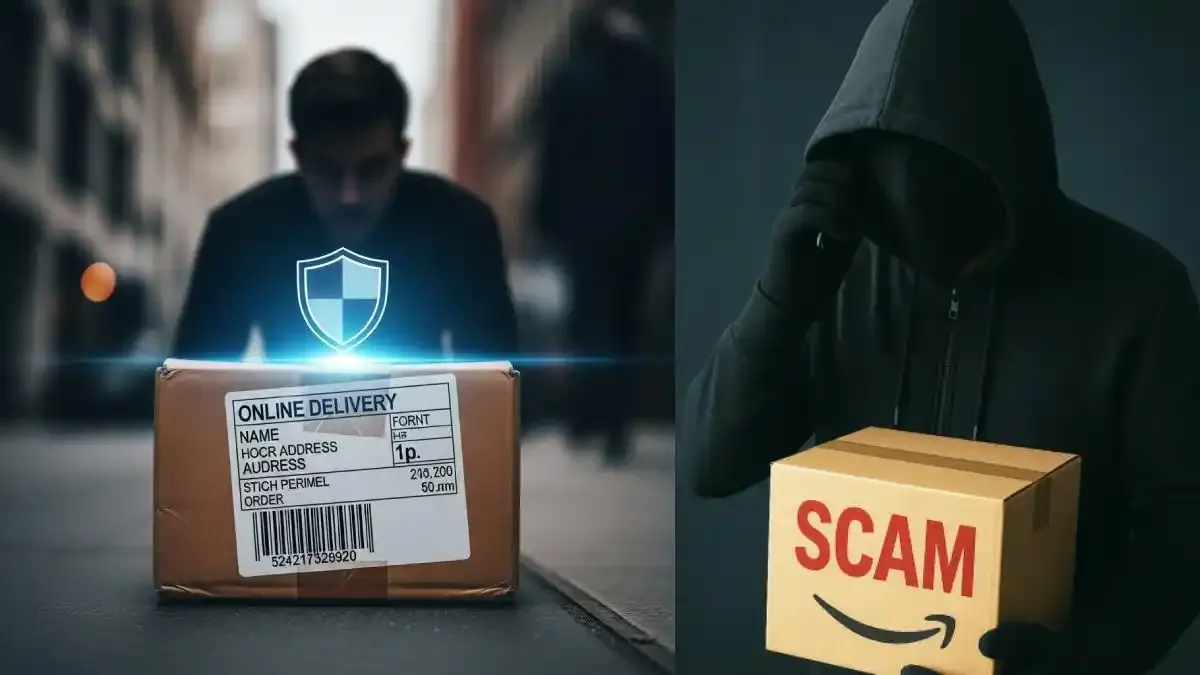
The Committee noted that the parties had settled the dispute and that the complainant withdrew in writing on 29 November 2023, leaving nothing to decide under clause 13(6) of the PDPC Regulation on complaints B.E. 2566. It closed the matter (Decision No. 4/2567, 24 January 2024).
Author’s view: the document does not say who sent the parcel or what was inside. But the pattern of “use the victim’s name as sender and ship to the victim” resembles what is known abroad as brushing: sending unordered goods to create fake sales records or reviews, or setting up a cash-on-delivery scam. It works because the system accepts whatever sender name is typed, without checking.
That raises two uncomfortable points for couriers. When the system records the wrong sender, its data is inaccurate, which conflicts with Section 35 even if someone else typed it. And the in-app “you are the sender” notice is exactly what showed the data subject his name was wrongly in the system, and started the complaint.
The market is moving. TechLawNow (Thai) covers Digital Post ID, which removes personal data from parcel labels, and the draft Postal Act requiring parcel carriers to be licensed. On who must notify when documents are lost in transit, see documents lost in delivery: who notifies the PDPC. Online sellers using outside warehouses or couriers should put sender verification, security and breach notification in the contract, and know when a processor agreement is required.
Where should you complain: the PDPA or another law?
First identify who made the data wrong or let it out. If it is an organisation holding your data, start with a rights request to that organisation and complain under the PDPA if it does not fix things. If it is a person pretending to be you, use the Criminal Code, the Computer Crime Act or professional laws. Often both routes apply.
| Situation | Who should fix it | Main route | Case |
|---|---|---|---|
| A number, account or membership in your name that you never opened | The organisation that opened it | Correction or erasure request, then a PDPA complaint | 2 |
| An organisation’s system records you doing something you did not do | The system owner | Correction under ss.35 and 36 | 3 |
| Someone poses as you to take other people’s money | The impersonator | Police report, Criminal Code s.342 | 1 |
| False posts or edited images about you | The poster and the platform | Computer Crime Act ss.14 and 16, platform report | |
| Someone presents your ID card as their own | The card user | Identification Card Act, possibly s.15 | |
| An organisation leaked your data and it was used to impersonate you | The organisation that leaked it | PDPA s.37 complaint, damages under s.77 |
This table is the author’s view. The PDPA was not designed to catch impersonators. It was designed to make organisations holding our data do their job properly, and the better they do it, the harder impersonation becomes. If police ask a telco or courier for customer data to trace an impersonator, see how much a company may hand over to the police.
What should you do in the first 24 hours after discovering impersonation?
Six steps in order: preserve evidence, close open channels, notify the organisations involved, report to the police, warn people around you, and follow up.

| Step | Action | Why |
|---|---|---|
| 1 | Screenshot everything with dates, times and links | Evidence disappears quickly once the impersonator notices |
| 2 | Check numbers under your ID with the 3 Chan app and lock your ID | Blocks new SIMs in your name (Case 2) |
| 3 | Notify any organisation whose records are wrong, in writing, and get a reference | Starts the response clock and builds your PDPA evidence (Cases 2 and 3) |
| 4 | Report to the police, in person or at thaipoliceonline.go.th | Targets the impersonator; banks and telcos often ask for the report (Case 1) |
| 5 | Warn clients, patients or contacts through your official channels | Reduces further victims and shows you are not involved |
| 6 | Follow up every 7 days and log each contact | Impersonation usually needs several channels at once |
If money in a bank account is at risk, call the bank first.
What must businesses that accept identity data do so their systems don’t become an impersonator’s tool? A 10-point checklist
If you cannot answer a point, fix it first. Cases 2 and 3 show impersonators do not need to hack anything. They only need a system that does not ask a second question.
- Match identity checks to risk. Opening a number, an account or taking payment needs more than a newsletter sign-up.
- Do not trust a typed sender or applicant name when it will be shown to others or used legally (Case 3).
- Provide an easy “this isn’t me” channel staffed by real people.
- Set clear deadlines for correction and erasure requests and always issue a reference (Case 2).
- Notify the data subject when a new service is opened in their name. The app notice in Case 3 is what alerted him.
- Review stored data periodically to meet Section 35. Wrong data is a risk, not just clutter.
- Mask data on documents others see, such as parcel labels, receipts and staff screens.
- Put identity checks, security and breach notification in contracts with warehouses, agents and outside systems.
- Have a rehearsed breach response plan. Notify the PDPC Office within 72 hours under Section 37(4) where there is a risk to data subjects. See the 72-hour breach guide and when a processor causes the breach.
- Train front-desk and call-centre staff to recognise impersonation, because they see odd requests first. To build this skill across your team, look at the upskilling courses at Skillno (coming soon), or take Kooru’s free 10-point PDPA health check.
What does a business risk if its system lets impersonators use customer data? 4 layers
Committee orders, administrative fines, civil liability and lost trust. A business need not be the impersonator to face a complaint if its system left the door open.
| Layer | Risk | Detail |
|---|---|---|
| 1 | Expert Committee orders | Orders to remedy or stop an act under Section 90 |
| 2 | Administrative fines | Failing security or breach notification duties under Section 37: up to THB 3 million (Section 83); sensitive data such as health or biometric data: up to THB 5 million (Section 84) |
| 3 | Civil liability | Compensation under Section 77, plus punitive damages of up to twice actual damages under Section 78 |
| 4 | Customer trust | A customer who finds a stranger’s number under their ID remembers the operator’s name, not the impersonator’s |
New rules add pressure on businesses used as channels for scams. TechLawNow (Thai) explains the new tech-crime decree and telco liability and PDPC statistics of 4,210 complaints. For all penalties, see the PDPA penalties guide.
Closing the 7-episode series: what is the one lesson every episode shares?
Every episode says the same thing: the PDPA does not ask whether you meant well. It asks whether you had a lawful basis to use the data, and whether your systems actually follow it.
| Episode | Topic | Shortest lesson |
|---|---|---|
| 1 | Dismissal notice | A blurred face can still identify someone |
| 2 | CCTV angles | Your camera must not watch your neighbour’s home |
| 3 | HR | Employee data only as far as the job needs |
| 4 | Debt posts | You may chase a debt, not shame the debtor |
| 5 | Social media drama | Personal disputes between individuals need other laws |
| 6 | Consent and marketing | A box the customer did not tick is not consent |
| 7 | Identity misuse | The PDPA binds data holders, not impersonators |
Across seven episodes, most complaints came not from hackers but from small everyday decisions: one post, one camera angle, one pre-ticked box, one form that never asked a second question.
Let Kooru close the gaps impersonators use, before your next customer finds a stranger’s number in their name
Kooru reviews your identity checks, your “this isn’t me” channel, processor contracts and breach response plan so they are ready before anything happens. All three cases share one thread: the data subject has to prove “this isn’t me”, and the organisation has to respond fast.
1. A whole-business gap review in 3 working days
Start with Kooru Data Shield, Assessment package, THB 5,900. Our legal team reviews forms, identity steps and documents, then delivers a report and fix plan within 3 working days.
2. Breach response kit
Use the PDPA data breach response kit (12 templates) so your team knows whom to notify, when and with which document, within 72 hours.
3. Rights requests and processor contracts
Use the data subject rights form set so correction requests never stall, together with the DSA and DPA agreements package for couriers, warehouses and vendors holding customer data.
4. Monthly DPO service
If you open accounts, activate services or ship to customers every day, see Kooru’s DPO as a Service.
Contact us
Message us on LINE @kooru and tell us briefly where your business collects identity data. Kooru’s legal team replies during business hours, and the first 15-minute consultation is free.
Thoughts to leave you with
Your name can be used every day without you being there.
Public data is still your data, but not every problem is the PDPA’s to solve.
A system that never asks a second question is an impersonator’s favourite.
The third number under your ID may never have been used, or it may already have been. You will only know if you check.
And the question every business should be able to answer is not “do we verify customers?” but “if someone tells us ‘this isn’t me’, how many days do we need to fix it?”
Frequently asked questions (FAQ) on identity misuse and the Thai PDPA
1. Can I file a PDPA complaint if someone impersonates me?
Yes, but it works when a data controller has breached the PDPA. In Decision 18/2566, a doctor whose name and licence were used by an impersonator complained, but the Committee declined because it could not confirm the respondent was a data controller in breach. Such cases usually need criminal law or the Computer Crime Act.
2. Is data published on a government or professional council website still personal data?
Yes, because it identifies a person. But lawful publication for public verification does not make the website liable when someone misuses the data. The person who misuses it is answerable under the relevant laws.
3. Where do I report someone posing as a doctor in Thailand?
Report to the Medical Council. Section 26 of the Medical Profession Act B.E. 2525 bars unlicensed people from practising or presenting themselves as ready to practise, with penalties under Section 43 of up to 3 years, a fine up to THB 30,000, or both. File a police report if anyone was deceived into paying.
4. How can I check how many mobile numbers are registered to my Thai ID card?
Use the NBTC’s “3 Chan” app or 3steps.nbtc.go.th, which lists numbers registered to your ID, lets you report numbers that are not yours and can lock your ID against new SIMs. You can also check in each operator’s app, as the complainant in Decision 19/2566 did.
5. What should I do if a number that is not mine is registered to my ID?
Ask the operator holding the number to cancel it, get a reference and keep evidence. In Decision 19/2566, the operator cancelled the number. If the operator does not act, use that evidence to complain to the NBTC or under the PDPA, since operators must keep data accurate under Section 35.
6. What does 179ID number# do?
It checks whether the SIM you are calling from is registered to that ID number, answering match or no match. It does not list all numbers under your ID. For that, use the NBTC’s 3 Chan app.
7. Someone named me as the sender of a parcel. What can I do?
Ask the courier to investigate and correct the sender record, keep the app notification as evidence, and report to the police if money was demanded or harm caused. In Decision 4/2567, the complainant complained about the courier and the parties settled before the Committee ruled.
8. Is the courier responsible if someone uses another person’s name as sender?
The courier is not the impersonator, but it controls the system recording sender names, so it must keep data accurate under Section 35 and respond to correction requests. The person who used the name may be liable under other laws.
9. What law is broken if someone uses my Thai ID card?
Presenting another person’s ID card as one’s own may breach Section 15 of the Identification Card Act B.E. 2526, punishable by 6 months to 5 years’ imprisonment and a fine of THB 10,000 to 100,000. Using only the card’s details to obtain money may be fraud by impersonation under Criminal Code Section 342.
10. How can a business stop its systems being used for impersonation?
Match identity checks to risk, do not trust typed names that will be displayed or used legally, offer a “this isn’t me” channel, answer correction requests on time, notify customers when a service is opened in their name, and keep a breach plan that meets the 72-hour notice under Section 37(4).
References
- Expert Committee Panel 2, Office of the Personal Data Protection Committee. (30 Aug 2023). Decision No. 18/2566: complaint not accepted (a doctor’s name and medical licence image used by an impersonator).
- Expert Committee Panel 2. (30 Aug 2023). Decision No. 19/2566: complaint closed (a number registered to the complainant’s ID card number).
- Expert Committee Panel 2. (24 Jan 2024). Decision No. 4/2567: complaint closed (a parcel naming the complainant as sender).
- Personal Data Protection Act B.E. 2562 (2019), Sections 4, 6, 35, 36, 37, 74, 77, 78, 83, 84 and 90.
- PDPC Regulations on complaints B.E. 2565, clause 8(2), and B.E. 2566, clause 13(6), as cited in the decisions.
- Thai Criminal Code, Section 342.
- Computer Crime Act B.E. 2550 (2007), as amended B.E. 2560 (2017), Sections 14 and 16.
- Medical Profession Act B.E. 2525 (1982), Sections 26 and 43.
- Identification Card Act B.E. 2526 (1983), Section 15.
- Office of the NBTC. The “3 Chan” app (check, report, lock) and the identity verification requirement for holders of 6 or more numbers per operator (effective 16 January 2024).
- AiPDPA. Articles and guides on data subject requests, breach notification and the Section 4 exemption, https://aipdpa.com/en.
- TechLawNow. Technology law news (Thai) on SIM swap, Digital Post ID and the tech-crime decree, https://techlawnow.com.
This article is general information for business decisions, not legal advice for a specific case. The stories summarise published complaint decisions. Sections marked as the author’s view or commentary are additional analysis, not part of the decisions. We do not name people or organisations, to keep the focus on principles.
By: Khun Phuwara, Senior Advisor in Business Strategy and Legal-Tech at Kooru
Frequently asked questions
Can I file a PDPA complaint if someone impersonates me?
Yes, but it works when a data controller has breached the PDPA. In Decision 18/2566, a doctor whose name and licence were used by an impersonator complained, but the Committee declined because it could not confirm the respondent was a data controller in breach. Such cases usually need criminal law or the Computer Crime Act.
What should I do if a number that is not mine is registered to my ID?
Ask the operator holding the number to cancel it, get a reference and keep evidence. In Decision 19/2566, the operator cancelled the number. If the operator does not act, complain to the NBTC or under the PDPA, since operators must keep data accurate under Section 35.
Someone named me as the sender of a parcel. What can I do?
Ask the courier to investigate and correct the sender record, keep the app notification as evidence, and report to the police if money was demanded or harm caused. In Decision 4/2567, the complainant complained about the courier and the parties settled before the Committee ruled.

About the author: Phuwara Krobtaku
Licensed lawyer no. 477/2558 · Thai Barrister-at-Law · LL.M. Intellectual Property & Information Law (gold medal) · DPOMore than 20 years in IT and digital marketing before law. Founder of Kooru, a tech-law advisory handling PDPA, AI governance and intellectual property for SMEs.